
Far Yet Close: Japan and Türkiye
About the Author: Miray is a student of both Turkish and Japanese heritage who enjoys exploring how different cultures shape our daily lives. Drawing from her experiences growing up between two cultures, she shares the similarities, differences, and connections that make each unique.
Have you ever wondered how two cultures can feel different, yet surprisingly similar? When you take a look at a map, Türkiye and Japan are located on opposite sides. Türkiye and Japan have big differences and shared values. From daily classroom habits to rich food and traditions.
Hi, my name is Miray, and I’m half-Turkish and half-Japanese. Although there are differences between these two countries, they also share many common features. Today, I will talk about the cultures of these two countries so prominent in my life.
School life in different countries
In every country, the school system is different. In Japan, the school day doubles as character training: students clean their own classrooms and other parts of the school (like hallways). We call this osoji. They eat their lunches together in their classrooms. And get involved in school clubs (bukatsu) for fun. Japanese schools are also known for strict regulations regarding hair color, uniform appearance, and behavior. In Türkiye, school cleaning is handled by staff members, and lunches are eaten in the food hall. Furthermore, compared to Japan, in Türkiye dress codes are generally less rigid. However, like in every country, students in both nations face the same problem: high exam-related stress as they prepare for competitive university entrance exams.
Different Country, Different Language
When comparing the two languages in terms of difficulty, I believe Turkish is easier to learn. Since its alphabet is similar to English, it's easier to remember. On the other hand, the Japanese language consists of three different writing systems: hiragana, katakana, and kanji, which makes the language more difficult to acquire. However, there are some similarities between these two languages, such as having similar word orders and grammatical features.
What We See On the Table?
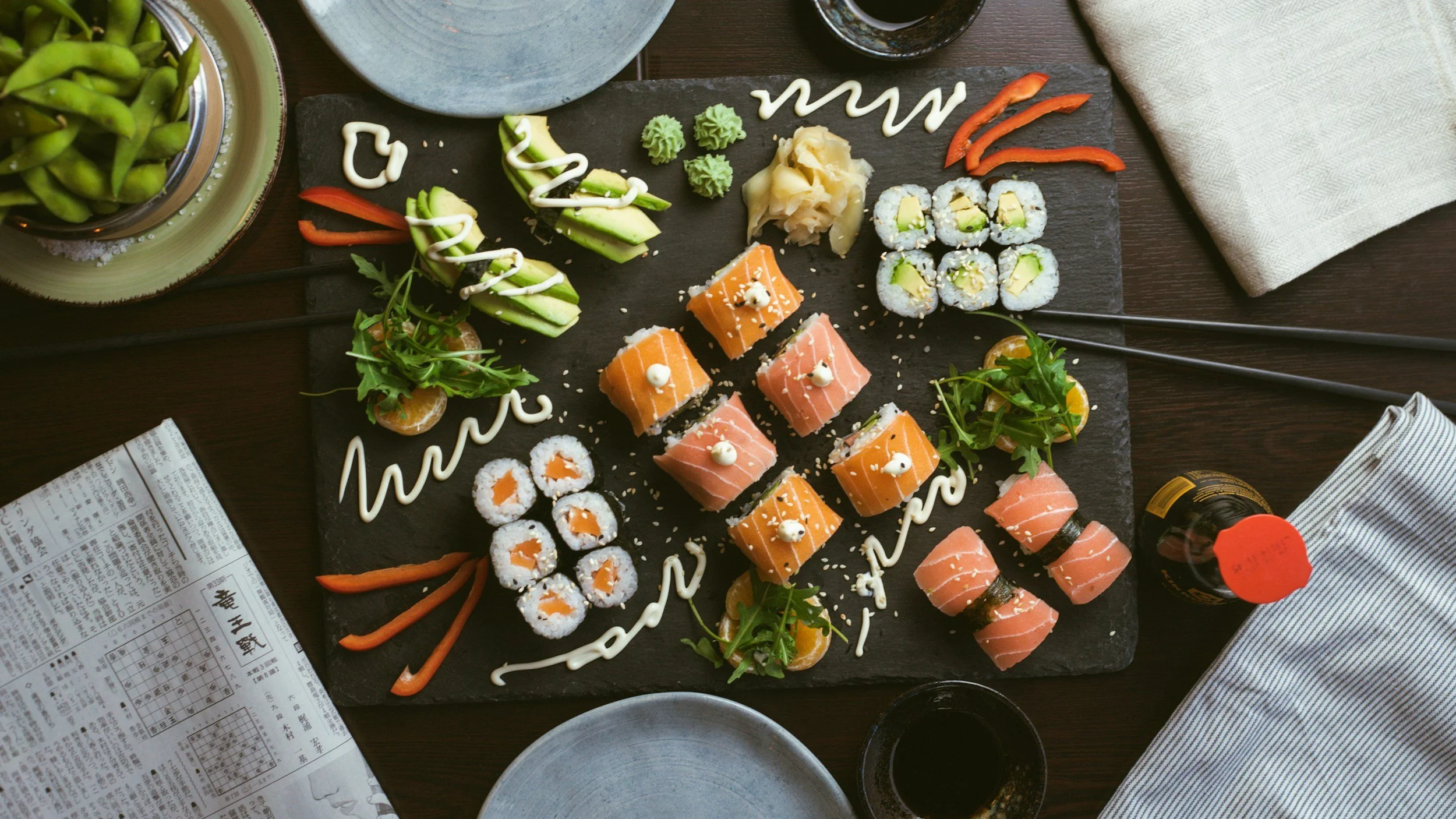
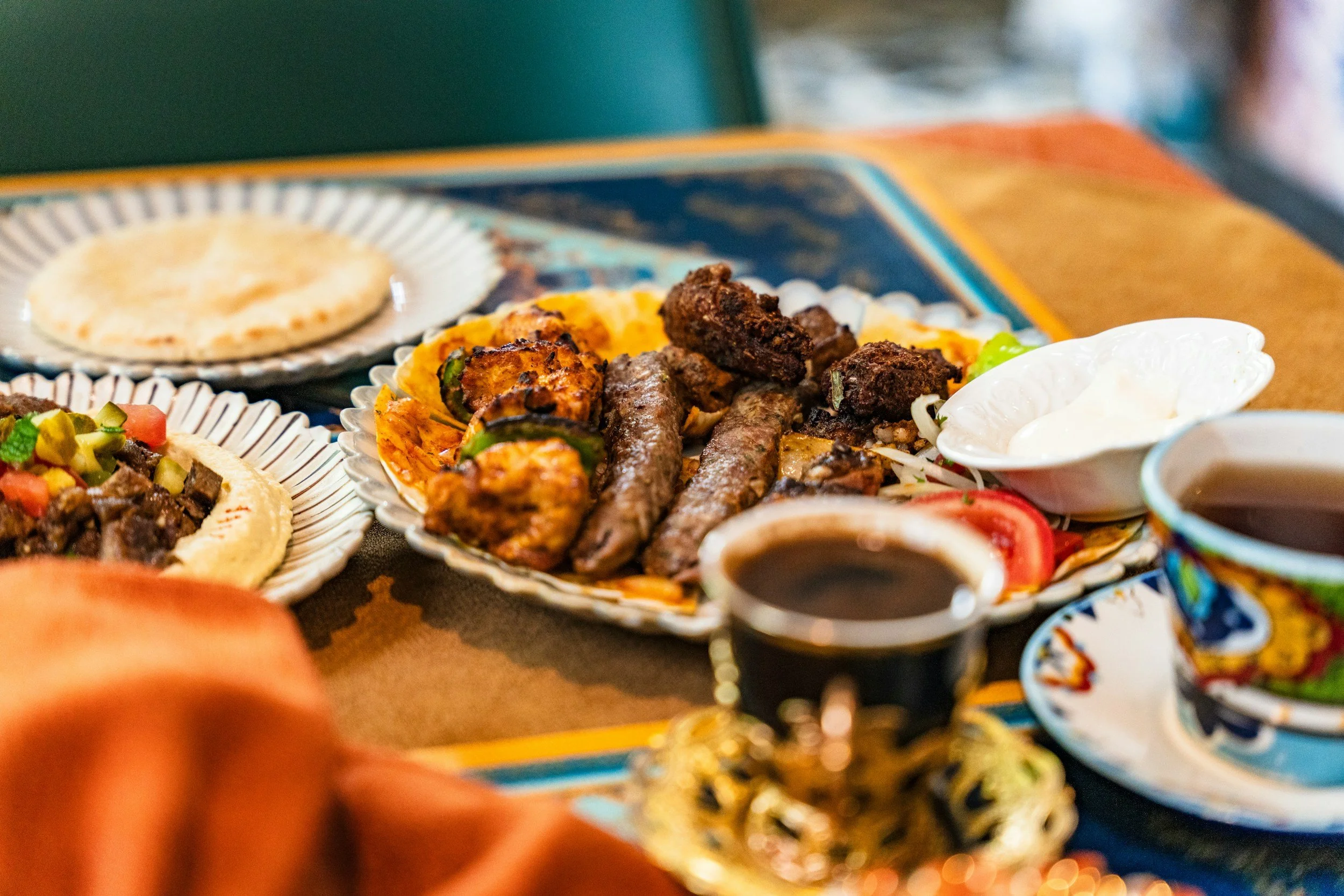
When we take a look at the food culture, it actually reveals how geography shapes our daily lifestyle. Turkish cuisine revolves around rich olive oil dishes, red meat, kebabs, and rich pastries. In contrast, Japanese cuisine centers on rice (gohan), fresh seafood, soy products, and lighter flavors. Despite these differences, both cuisines share a common drink -tea! The classic black tea is served in Turkish tea glasses in Türkiye, and green tea (matcha or sencha) in Japan. Cultural dining etiquette also brings out different social vibes: Turkish meals are a lively, conversational environment with larger portions, whereas Japanese dining culture is more polite, and the cutlery they use is chopsticks (hashi).
Social Interactions Between Two Countries
Daily social interactions highlight clear cultural contrasts between the two societies. Turkish people are known for being warm and friendly; they often greet friends with warm hugs and handshakes. On the other hand, Japanese culture focuses on personal privacy, keeping emotions calm and usually using respectful bows for greetings. However, some of the habits are similar: both cultures remove outdoor shoes before entering a house.
Although there are some physical distance and lifestyle differences, the two countries have things in common such as respect and family.
I feel honored to have both cultures in me!